

Top Digital Products to Enhance Your IQ
01/18/2026
Using Puzzles to Sharpen Your Mind
01/18/2026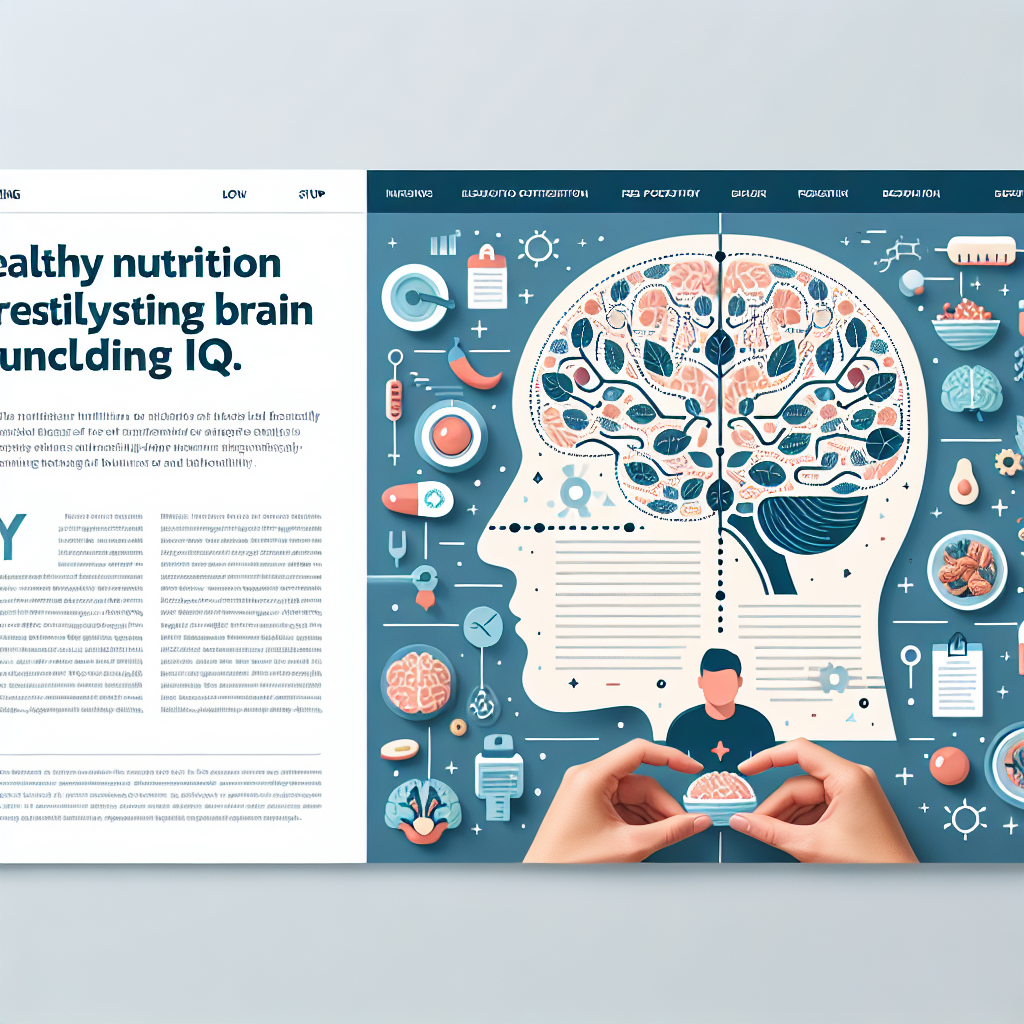
How Nutrition Impacts Brain Function and IQ
Introduction
Nourishment is intricately linked to brain function and overall cognitive abilities, including IQ. The brain is a demanding organ that requires a consistent supply of nutrients to operate optimally. Understanding how different nutrients affect cognitive performance can empower individuals to make choices that enhance brain health and intellectual capabilities.
This article will explore the relationship between nutrition and brain function, offering practical insights and tips that can help anyone looking to enhance their cognitive abilities and overall mental performance.
The Role of Nutrition in Brain Function
Nutrition influences brain function in several significant ways. Essential nutrients like vitamins, minerals, and fatty acids contribute to processes such as neurotransmitter synthesis, energy production, and protection against oxidative stress.
Key Nutrients for Optimal Brain Health
- Omega-3 Fatty Acids: Found in fish, flaxseeds, and walnuts, these fats are crucial for brain structure and function.
- Antioxidants: Foods rich in antioxidants, such as berries and dark chocolate, help combat oxidative stress, which can impair cognitive function.
- Vitamins: Vitamins like B, D, and E support brain health by aiding in energy production and protecting neurons.
- Minerals: Iron, zinc, and magnesium are vital for neurotransmitter function and cognitive performance.
- Amino Acids: They are the building blocks of neurotransmitters, which are essential for communication within the brain.
How Nutrition Impacts IQ
Various studies suggest a correlation between nutrition and IQ scores. Proper dietary habits can enhance cognitive abilities, while poor nutrition can hinder performance.
Research Findings
- Studies show that children with well-balanced diets perform better on cognitive tests compared to those with high sugar and fat diets.
- Long-term deficiencies in essential nutrients, particularly during critical developmental periods, can lead to lower IQ scores.
- Supplementation with specific nutrients has been linked to improved cognitive function and academic performance.
Practical Tips for Enhancing Brain Function through Nutrition
Incorporating brain-boosting foods into your diet can be a game changer. Here are some actionable steps you can take:
- Eat Regularly: Consistent meal timing helps maintain stable glucose levels, essential for brain function.
- Prioritize Whole Foods: A diet rich in fruits, vegetables, whole grains, and lean proteins supports overall brain health.
- Stay Hydrated: Dehydration can lead to cognitive decline. Aim for adequate water intake throughout the day.
- Limit Processed Foods: Reducing intake of sugary snacks and refined carbs can help maintain cognitive clarity.
- Mind Your Portions: Eating in moderation can prevent energy dips that affect focus and brain function.
Common Mistakes to Avoid
It’s essential to recognize and avoid common dietary pitfalls that can negatively impact brain health:
- Overconsumption of Sugars: High sugar intake can lead to spikes and crashes in energy levels.
- Neglecting Breakfast: Skipping meals, particularly breakfast, can impair cognitive function throughout the day.
- Ignoring Food Choices: Consuming junk food regularly can diminish mental clarity and focus.
Conclusion
The brain’s health is profoundly influenced by nutrition. By understanding the essential nutrients that support cognitive function and IQ, individuals can make informed dietary choices to improve their mental performance. Incorporating a balanced diet rich in omega-3 fatty acids, antioxidants, vitamins, and minerals can optimize brain function and enhance intellectual capabilities. Remember, small changes in your diet can lead to significant improvements in brain health and cognitive performance.