

How Nutrition Impacts Brain Function and IQ
01/18/2026
The Role of Genetics in Intelligence
01/18/2026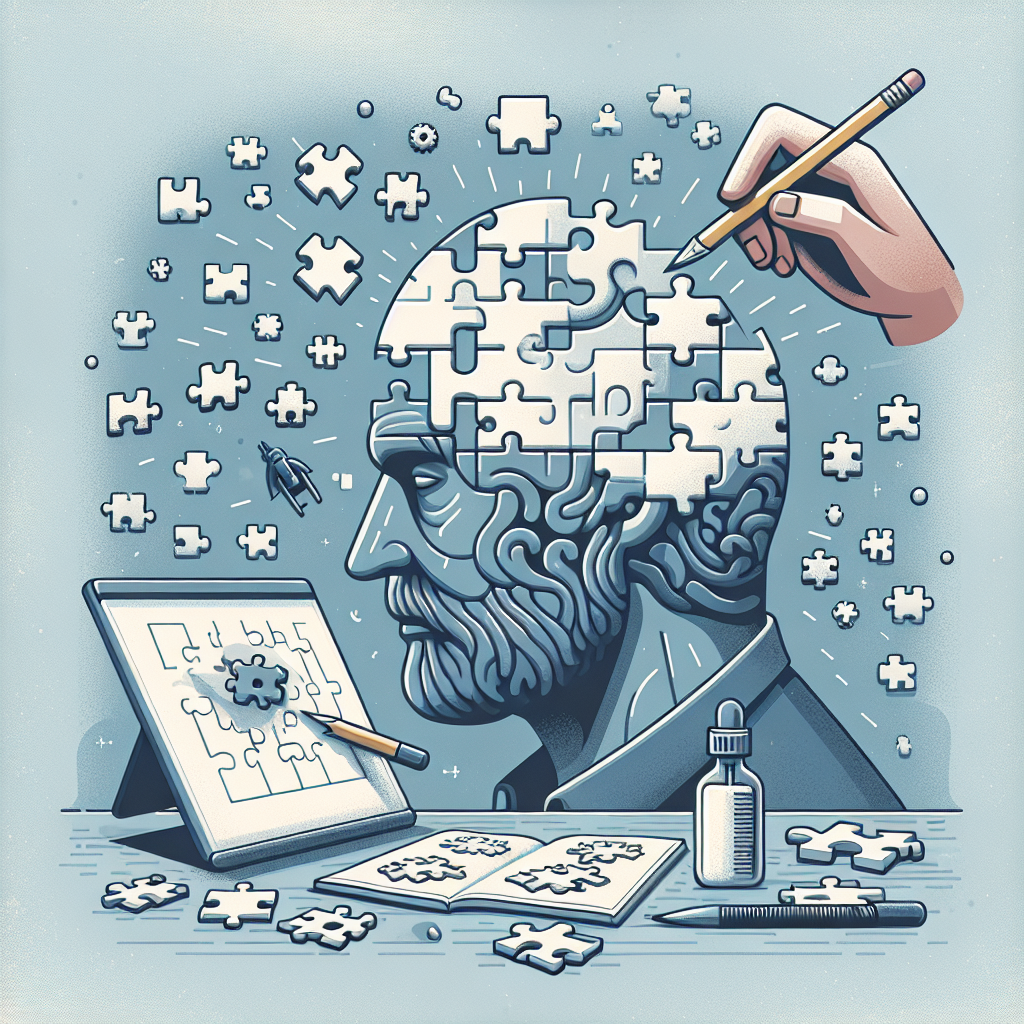
Using Puzzles to Sharpen Your Mind
Introduction
Puzzles have long been recognized as a powerful tool for enhancing cognitive skills and improving mental agility. In today’s fast-paced world, incorporating puzzles into your daily routine can be a fun and effective way to sharpen your mind. This article explores various types of puzzles, their benefits, and practical tips to make the most of puzzle-solving for brain development.
The Benefits of Solving Puzzles
Engaging in puzzles offers numerous benefits that extend beyond mere entertainment. Here are some key advantages:
- Enhanced Problem-Solving Skills: Puzzles encourage critical thinking and the ability to approach problems from different angles.
- Improved Memory: Regularly solving puzzles helps in developing both short-term and long-term memory.
- Increased Focus: Working on puzzles requires concentration, which can help improve attention span over time.
- Stress Relief: Engaging in puzzles can serve as a mental escape, reducing stress and anxiety levels.
- Social Interaction: Many puzzles can be enjoyed with friends or family, fostering social connections.
Types of Puzzles to Consider
There is a diverse range of puzzles available, catering to different interests and skill levels. Here are some popular types you might consider incorporating into your routine:
- Crossword Puzzles: These puzzles challenge vocabulary and general knowledge.
- Sudoku: A number-placement puzzle that enhances logical reasoning.
- Jigsaw Puzzles: These require spatial awareness and can improve visual memory.
- Logic Puzzles: They develop critical thinking and problem-solving abilities.
- Word Searches: Great for improving word recognition and speed.
Choosing the Right Puzzle for You
Selecting the appropriate puzzle can make a significant difference in your experience. Consider the following factors:
- Skill Level: Start with puzzles that match your current skill level to avoid frustration.
- Type of Challenge: Decide if you prefer numerical, verbal, or visual challenges.
- Time Availability: Some puzzles are quick, while others may require hours of commitment.
Practical Tips for Effective Puzzle Solving
To maximize the benefits of puzzle-solving, here are some practical tips:
- Set a Routine: Incorporate puzzle-solving into your daily schedule, even if just for a few minutes.
- Mix It Up: Try different types of puzzles to engage various areas of your brain.
- Work in Groups: Collaborating with others can lead to new insights and strategies.
- Track Your Progress: Keep a record of completed puzzles to monitor improvement over time.
Common Mistakes to Avoid
While solving puzzles can be beneficial, certain pitfalls can hinder your progress. Be aware of these common mistakes:
- Sticking to One Type: Limiting yourself to one puzzle type may restrict cognitive growth.
- Giving Up Too Soon: Perseverance is key; don’t abandon a puzzle without giving it a fair chance.
- Overlooking Mistakes: Learn from errors to enhance future puzzle-solving skills.
Conclusion
Incorporating puzzles into your daily routine can significantly sharpen your mind and enhance cognitive abilities. By understanding the various types of puzzles, their benefits, and practical strategies for solving them, you can develop a richer mental landscape. Remember to choose puzzles that fit your interests and skill levels, set a dedicated time for practice, and continuously challenge yourself. With persistence and curiosity, puzzles can unlock your hidden potential and contribute to your overall intellectual growth.