Essential Resources for Aspiring IQ Test Takers
01/18/2026
Time Management Strategies for Effective Study
01/18/2026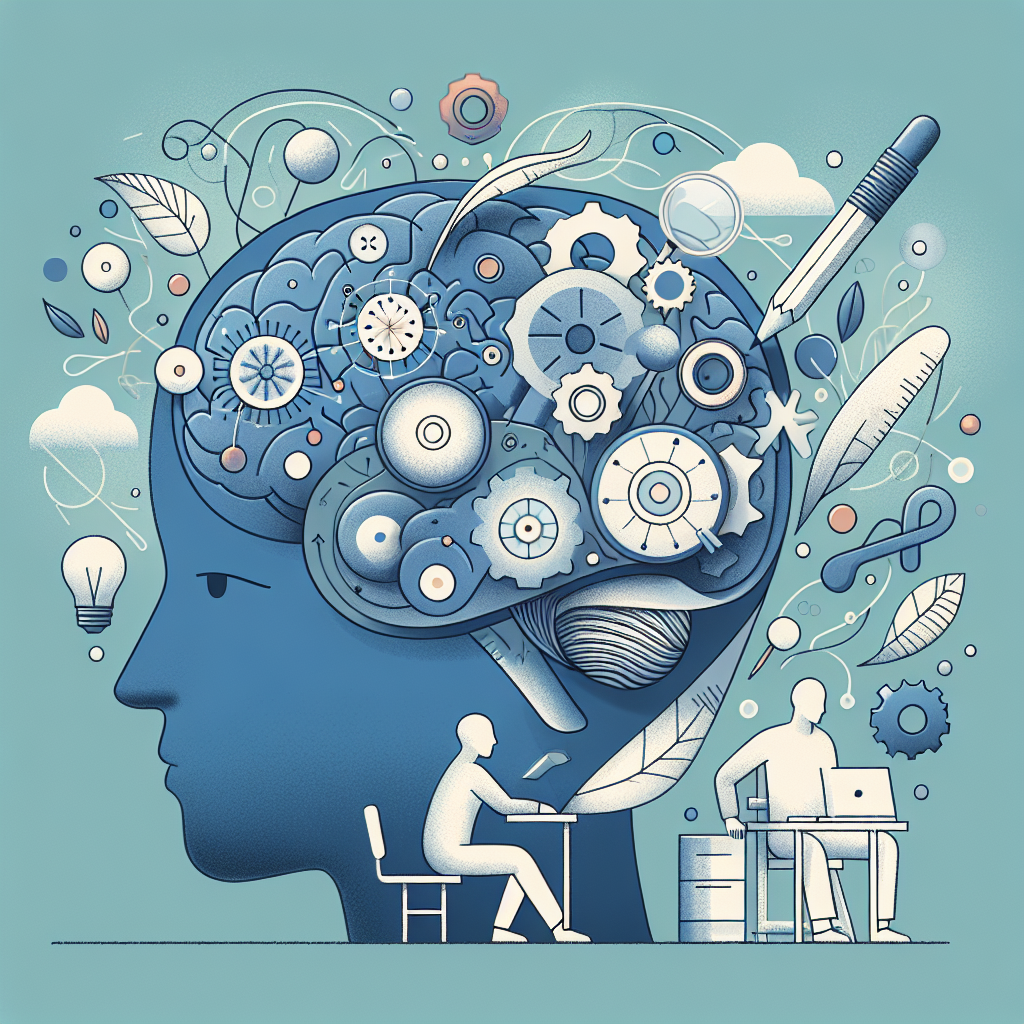
Exploring the Link Between Creativity and Intelligence
Introduction
The relationship between creativity and intelligence has long intrigued psychologists, educators, and thinkers alike. While intelligence is often measured through standardized tests, creativity remains more elusive, yet equally vital for problem-solving and innovation. Understanding how these two constructs interact can aid in developing hidden abilities and talents, which is essential for preparing for IQ tests and enhancing brain development.
This article delves into the link between creativity and intelligence, providing practical insights, examples, and tips for nurturing both traits. By exploring their interplay, we can better prepare ourselves for personal and intellectual growth.
Defining Creativity and Intelligence
Before exploring the link between creativity and intelligence, it is crucial to define both terms.
- Intelligence: Generally refers to the ability to learn, understand, and apply knowledge. It encompasses various domains, including logical reasoning, problem-solving, and verbal skills.
- Creativity: Involves the ability to generate new ideas, concepts, or solutions. This can manifest in artistic expression, innovative thinking, and the ability to think outside the box.
The Interaction of Creativity and Intelligence
Research indicates a complex relationship between creativity and intelligence. While they are distinct constructs, they often overlap and influence one another. Here are several ways they interact:
1. Problem-Solving Skills
Intelligent individuals often excel at logical problem-solving. However, creativity allows them to approach challenges from different angles. For instance, scientists who think creatively may discover novel solutions to complex issues.
2. Divergent Thinking
Creativity is closely associated with divergent thinking, the ability to generate multiple solutions to a problem. High intelligence can enhance this skill, allowing individuals to explore various possibilities and outcomes.
3. Risk-Taking and Innovation
Creativity often requires a willingness to take risks. Intelligent individuals may be more adept at assessing potential risks and rewards, enabling them to innovate confidently. For example, entrepreneurs frequently blend intelligence with creativity to develop unique business ideas.
Benefits of Nurturing Both Creativity and Intelligence
Fostering both creativity and intelligence can lead to numerous advantages, including:
- Enhanced problem-solving abilities that apply to various fields.
- Greater adaptability in changing environments.
- Increased innovation in personal and professional projects.
- Improved emotional intelligence and interpersonal skills.
- More fulfilling and enriched life experiences.
Practical Tips for Developing Creativity and Intelligence
To cultivate creativity and intelligence effectively, consider the following strategies:
- Engage in Creative Activities: Pursue hobbies such as painting, writing, or music. These activities stimulate creative thinking.
- Challenge Your Mind: Solve puzzles, play strategy games, or learn new skills to boost cognitive function.
- Collaborate with Others: Engage in discussions and brainstorming sessions to expose yourself to different perspectives.
- Practice Mindfulness: Mindfulness techniques can help clear mental clutter, allowing for more creative thoughts and ideas.
- Embrace Failure: View setbacks as opportunities to learn and grow, fostering a resilient mindset.
Common Mistakes to Avoid
When attempting to develop creativity and intelligence, be mindful of the following pitfalls:
- Neglecting the importance of rest and play, which are essential for creativity.
- Overemphasizing logic at the expense of creative exploration.
- Sticking solely to familiar activities; variety is key to stimulating both traits.
Conclusion
The link between creativity and intelligence is intricate, yet understanding it can lead to significant personal growth. By recognizing their interplay and actively working to nurture both, individuals can unlock their hidden potential, enhance problem-solving skills, and foster a more innovative mindset. Incorporating practical strategies and avoiding common mistakes will pave the way for a fulfilling journey of intellectual and creative development.